
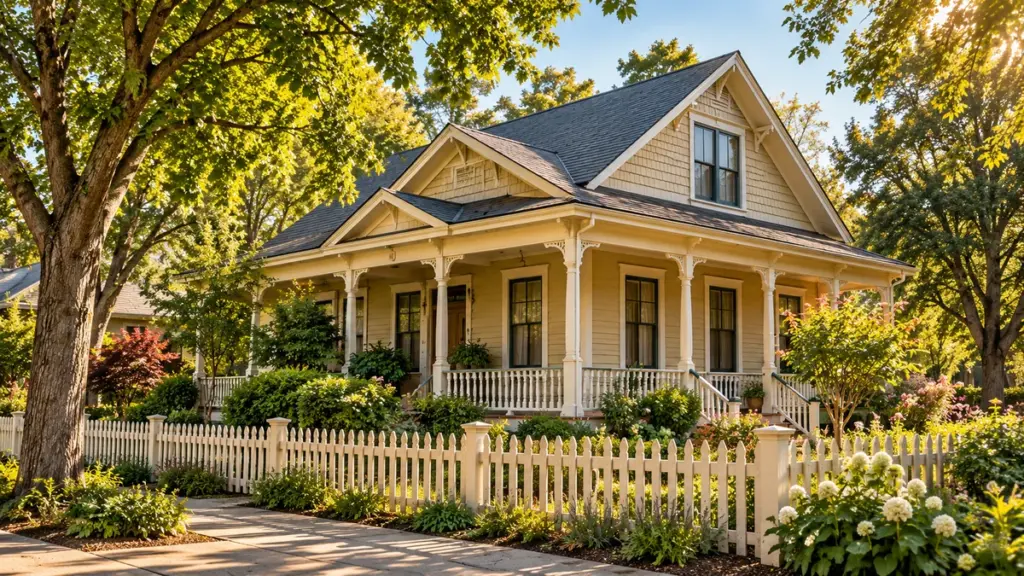
Researching a Roseville home begins with a precise question. You might want to know when the house first appeared on its lot, whether a porch was added later, or who lived there during a particular decade. Each question leads toward different records, so a focused starting point makes the work easier to organize.
A convincing house history usually brings several kinds of evidence together. Property records describe transactions, maps locate buildings, permits document proposed work, and old photographs reveal visible details. None automatically tells the entire story. The aim is to connect these records carefully and explain what each one contributes.
Identify the property before searching backward
Start a research sheet with the current address, nearby cross streets, assessor’s parcel number, and any subdivision or lot information already available. Keep the source and retrieval date beside each entry. If a record refers to a different address or parcel description, investigate the connection before assuming it concerns the same house.
The Placer County Assessor’s map resources explain that an assessment parcel may differ from a legal lot. They also provide routes to property information and historic assessor maps. Use these tools to orient the research, while keeping recorded legal descriptions distinct from assessment identifiers.
Choose a manageable first question
“What is this home’s entire history?” can become an overwhelming project. “Was the rear addition present before this dated photograph?” is easier to investigate. Answering a small question often produces names, dates, and document references that make a larger history possible.
Set up a useful research log
- Question: The specific detail you are investigating.
- Source: The office, collection, document number, and date.
- Finding: What the record actually states or shows.
- Next step: The record that could confirm or qualify the finding.
Include unsuccessful searches. Knowing which years or indexes you already checked avoids repeated work and helps distinguish a missing record from a search you have not yet attempted.
A dated exterior description can become a useful baseline: note the number of stories, porch arrangement, window spacing, and visible additions. Describe what you can observe without assigning an architectural style or construction date prematurely. Record where photographs were taken, and keep your observations separate from information supplied by someone else.
Follow recorded documents with a clear purpose
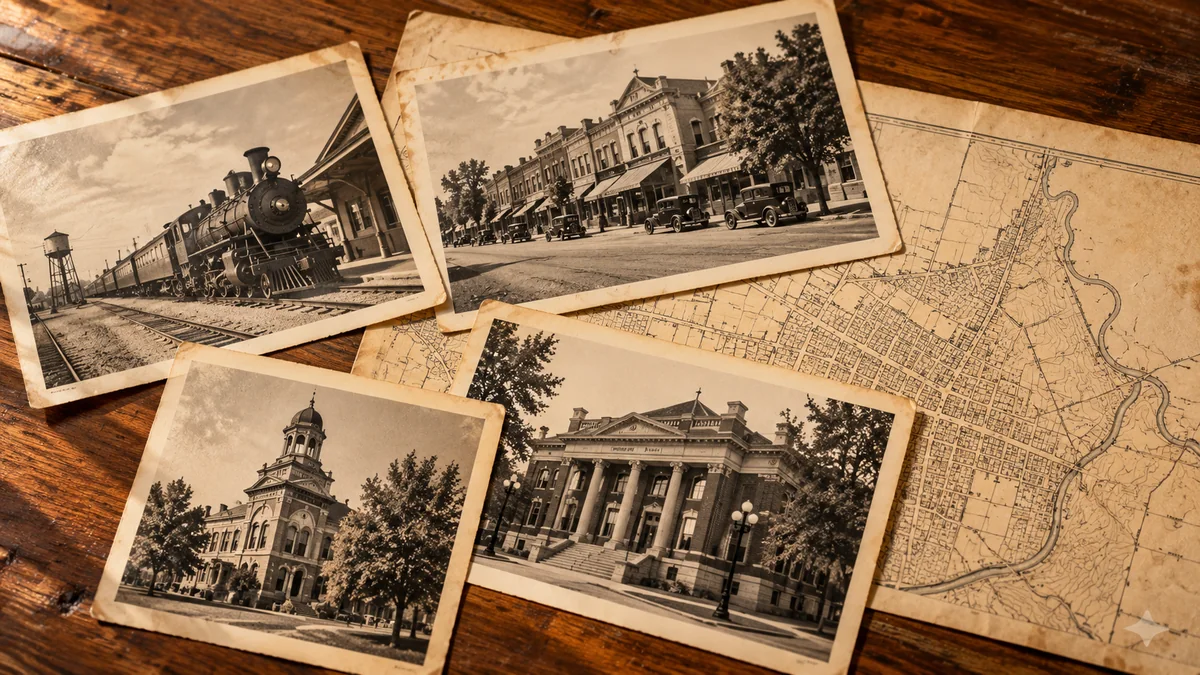
The Placer County Recorder’s real-property records page explains its grantor/grantee index and document references. For historical research, those references can help connect transactions involving the property. Record names exactly, along with the recording date, document type, and identifying number.
Keep ownership history separate from occupancy history. A person named in a deed did not necessarily live in the house, and someone who occupied it may never have owned it. A transaction date also does not establish the construction date of the present building.
Read the whole available document rather than relying on an index entry alone. Note differences in property descriptions and spelling, and ask the record-holding office about the scope of its indexes when a search becomes unclear. A historical research timeline is not a professional determination of title or boundaries.
Look for permits and evidence of alterations
Building records may help distinguish the original structure from later changes. The City’s Development Services FAQs direct requests for building-permit records and plans through the City Clerk’s public-records process. Identify the property and the kind of work or period you are studying so the request has a clear scope.
Separate a proposal from a completed change
A permit application, approved plan, inspection entry, and final record describe different stages. If available records show only an application, write that an addition was proposed, rather than assuming it was completed exactly as drawn. Compare the paperwork with dated photographs or later plans.
Older records may be incomplete, and the absence of a located permit does not by itself settle when or how a feature appeared. Keep the gap in your notes. A porch, garage, or changed entrance can remain an open question until another source supplies better evidence.
Consider keeping two parallel timelines: one for people and transactions, another for physical changes. A sale and a renovation may occur close together without proving that one caused the other. When they overlap, treat the connection as a question to test. This arrangement also keeps a later owner’s improvements from being mistakenly attributed to the person associated with the original building.
Place the house on a changing street
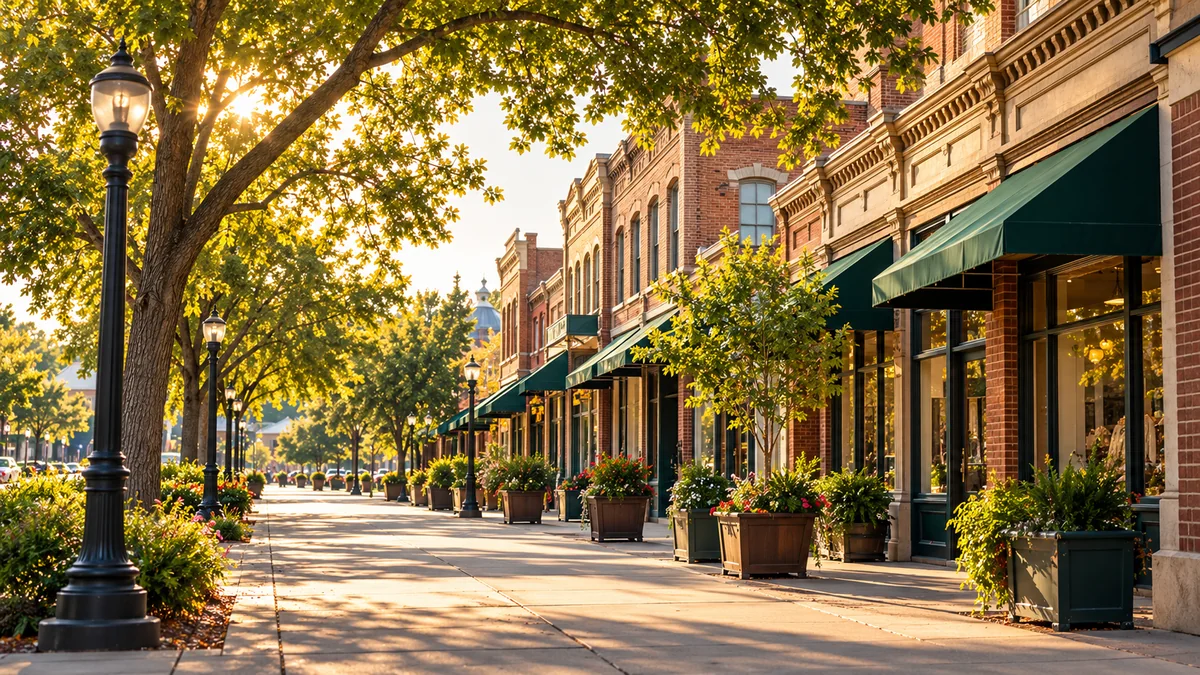
A house belongs to a block as well as a parcel. Where appropriate coverage exists, fire-insurance maps can help you compare footprints, outbuildings, and recorded building uses. The Library of Congress explanation of Sanborn maps stresses the importance of each map’s symbols and keys. Check the edition and coverage before interpreting a detail.
If a structure appears on one dated map but not an earlier one, that can suggest a period to investigate. It is not automatically a precise construction date: map coverage, revisions, and what the survey recorded still matter. Save the full sheet as well as any close-up used in your notes.
For broader context, compare the property’s emerging timeline with how the railroad shaped Roseville. A nearby road, public building, or changing commercial area may suggest another question, but establish the connection through records rather than assuming every house followed the same pattern.
Find the people behind the address
The Roseville Local History Center holds local documents and photographs, with a family-history collection also available for research. Ask about materials relevant to your address, a previous occupant, or a date range; availability varies by subject and collection.
Where directories, census entries, newspaper notices, or family papers are available, compare names across more than one source. Distinguish people with similar names and avoid turning a shared surname into a family relationship without supporting evidence. Record an interview as someone’s recollection, including when it was shared, rather than silently treating memory as a contemporary document.
Neighborhood research can also connect one house with the street-level changes explored in Old Town, then and now. Keep the focus on evidence relevant to the historical question, and omit private details about current residents that do not contribute to it.
Write a history that readers can follow
Arrange the findings chronologically and attach a source to each major statement. Use wording such as “shown on the map,” “listed in the directory,” or “recalled in an interview” to explain the evidence behind a claim. Keep disputed dates and unresolved gaps visible.
A useful finished account does not need a famous resident or a dramatic event. Changes to a room, an address, or a street can reveal ordinary decisions that shaped a home over time. Preserve your research log with the narrative, and use our research resources to identify the next source when another question emerges.