
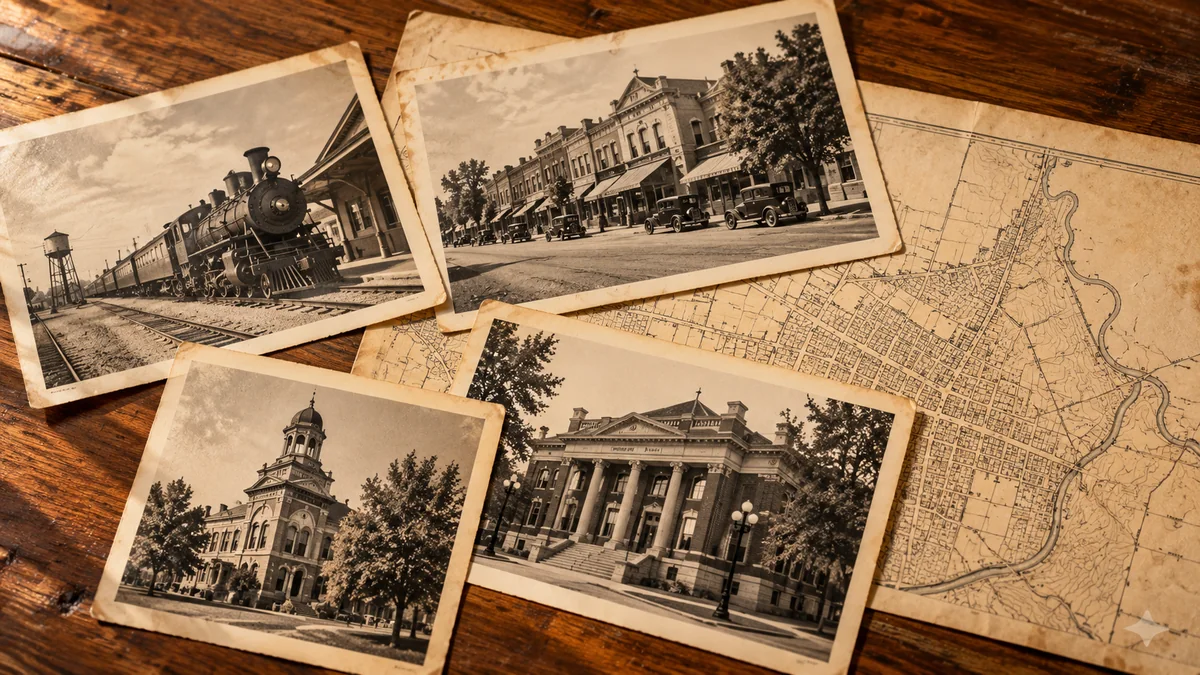
Good local-history research begins with a question that is small enough to investigate. Choose an address, a person, a building, a newspaper issue, or a short period. Keep a record of what you find and where it came from so that another reader can follow the same path.
Useful places to begin
- City of Roseville history: an overview that can help establish a chronology and identify subjects for closer investigation.
- Roseville Local History Center: information about local documents, photographs, and research materials at the Downtown Library.
- Maidu Museum & Historic Site: an introduction to Nisenan Maidu history and cultural learning.
- California Digital Newspaper Collection: digitized newspaper material, including available Roseville issues.
- Roseville Historical Society: the separate organization’s published history and information about its own museum and collections.
Keep a simple research record
For each discovery, note the title or item description, author or creator if known, date, collection, stable link, and the page or image number. Add a short note explaining what the item supports. A source that establishes a business name does not necessarily establish the date a building was constructed.
Compare before concluding
Look for an independent source when a detail matters. Names may have different spellings, addresses may have changed, and a later caption may describe an earlier photograph. Keep uncertain dates or identifications visible in your notes.
For a practical next step, read What old photographs reveal or Researching a Roseville home. Check an institution’s own website for its current access arrangements and the rights attached to individual items.